
Northern Tour
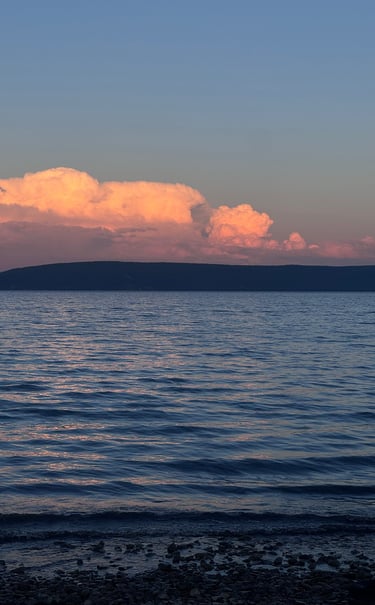
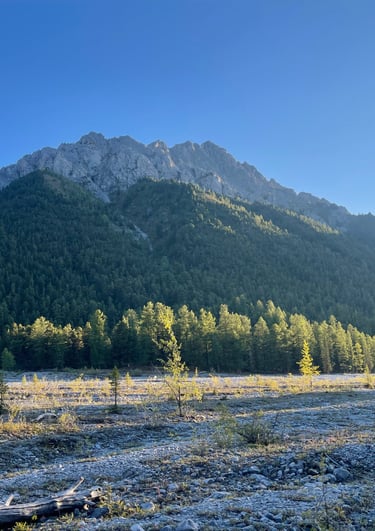
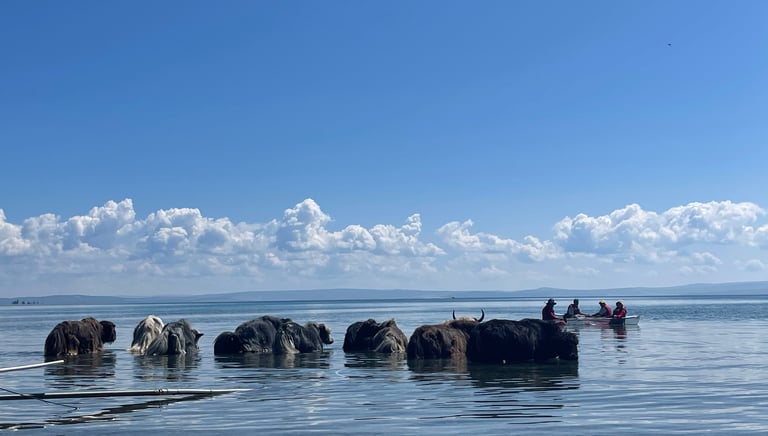
Khuvsgul Lake
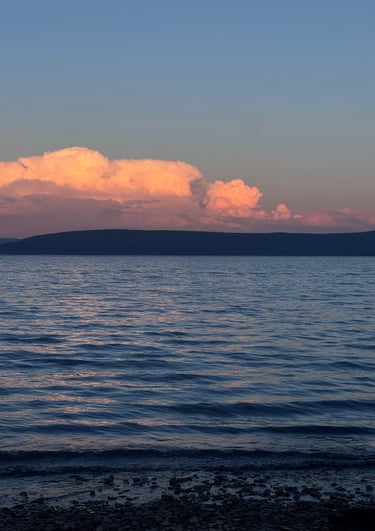
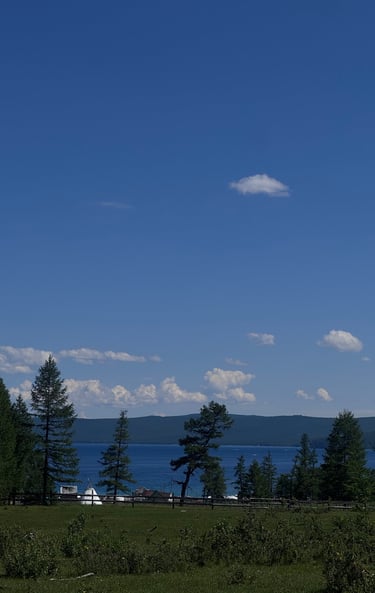
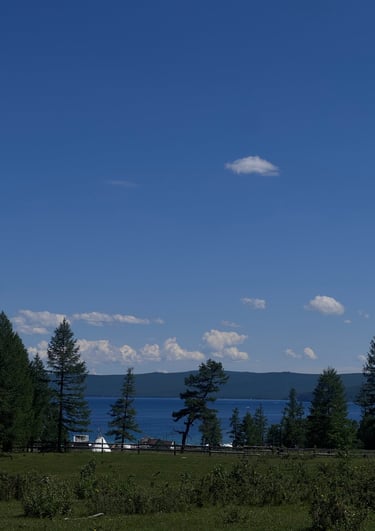
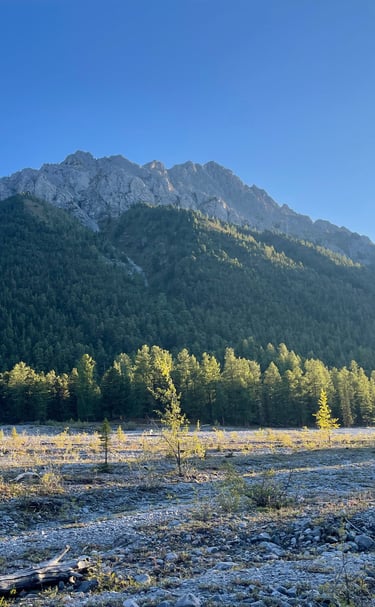
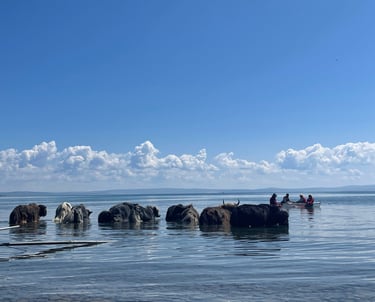
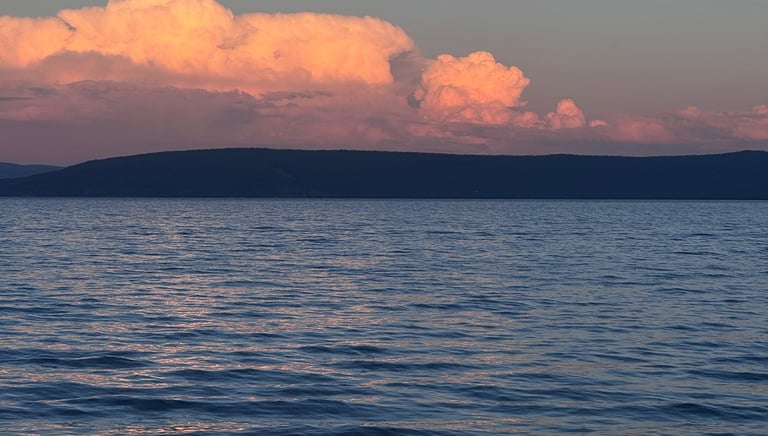
Khuvsgul Lake is Mongolia’s deepest, clearest, and largest freshwater lake, stretching 136 km in length and 35 km in width. Covering a total area of 2,760 km², it holds about 380 km³ of water. Around 40 rivers flow into the lake, and only one river flows out.
The lake contains three islands—Modon Khui, Khadan Khui, and Dalain Khui—with Dalain Khui being the largest.
KhuvsgulLake holds about 70% of Mongolia’s freshwater and approximately 0.4% of the world’s freshwater resources. In 1992, the KhuvsgulLake watershed was designated as a Special Protected Area and classified as a National Park.
The ecosystem includes over 60 species of mammals, around 250 species of birds, 12 species of fish, and more than 800 species of plants. Rare medicinal plants such as Vansambar (Saussurea) and Rhodiola (Golden Root) also grow here.
The lake reaches a maximum depth of 260 meters, and in winter its surface is covered by ice up to 1 meter thick. Estimated to have formed around 7 million years ago, the lake’s shoreline extends for 414 km.
Amarbaysgalant Monastry
Amarbayasgalant Monastery is located in Baruunburen soum of Selenge Province, at the foot of Burenkhaan Mountain in the Iven River valley. It is one of Mongolia’s most treasured cultural and religious sites. The monastery was commissioned in 1725 by the Qing Emperor Kangxi to honor the First Bogd Zanabazar, and Mongolian craftsmen completed its construction in 1737. Its name originates from two children named Amar and Bayasgalant who were seen playing on the site. At its peak, the monastery had over 10 colleges, 50 temples, and more than 6,000 monks, though 28 structures remain today. Renowned for its 300-year-old architecture, the site has been continuously preserved and restored by the local community, and traditional Gongor rituals are held every spring and autumn.


Uran togoo
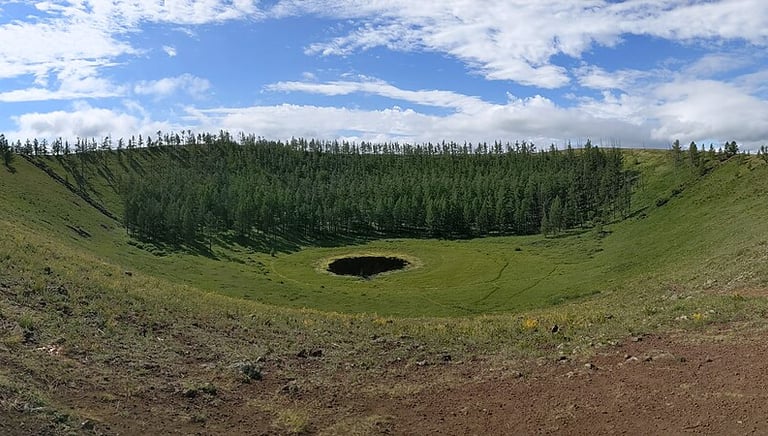
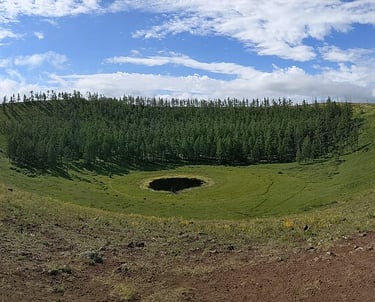
Uran Uul, located in Khutag-Undur soum of Bulgan Province, is an extinct volcano protected since 1965. Rising 1,686 meters above sea level, it features a 500–600 m wide crater containing a small circular lake surrounded by forest. Nearby Tulga, Togoo, and Jalavch mountains—also extinct Quaternary volcanoes—lie about 12 km south and last erupted 20,000–25,000 years ago. Their distinctive crater shapes resemble traditional cooking stoves and pots, which inspired their names.
The area is part of the forest-steppe zone with fertile soils supporting larch, poplar, willow, birch, and numerous medicinal and edible plants. Wildlife includes deer, argali, wild boar, ibex, marmot, and a variety of birds such as owls and ducks that summer on the crater lake. Snakes are common, often sheltering in warm volcanic vents during winter. The region also contains several ancient burial mounds.
Frequently asked questions
How to book this tour?
If you would like to book Gobi desert tour, please send us your request
contact@mail.com
How does your product/service work?
We offer a [brief explanation of how your product or service helps your customers]. Our process is [simple/efficient/convenient] and [positive adjective] for you.
How much does it cost?
Our pricing varies depending on [what factors affect your price]. We offer a variety of options to fit your needs and budget. Please visit our [pricing page/contact us] for more information.
Do you offer [specific service inquiry]?
Unfortunately, we don't currently offer [specific service inquiry]. However, we do offer [alternative service] which might be helpful.
How can I contact you?
You can reach us by [phone number/email address/contact form link]. We are always happy to answer your questions.
Where can I learn more about you?
You can explore other sections of this website, such as the "About Us" page or our blog, to learn more about our company, mission, and team.